Digital Currency Trends Reshape Cross-Border Casino Payment Flows
Dana Patterson · Aug 16, 2026
Digital Currency Trends Reshape Cross-Border Casino Payment Flows
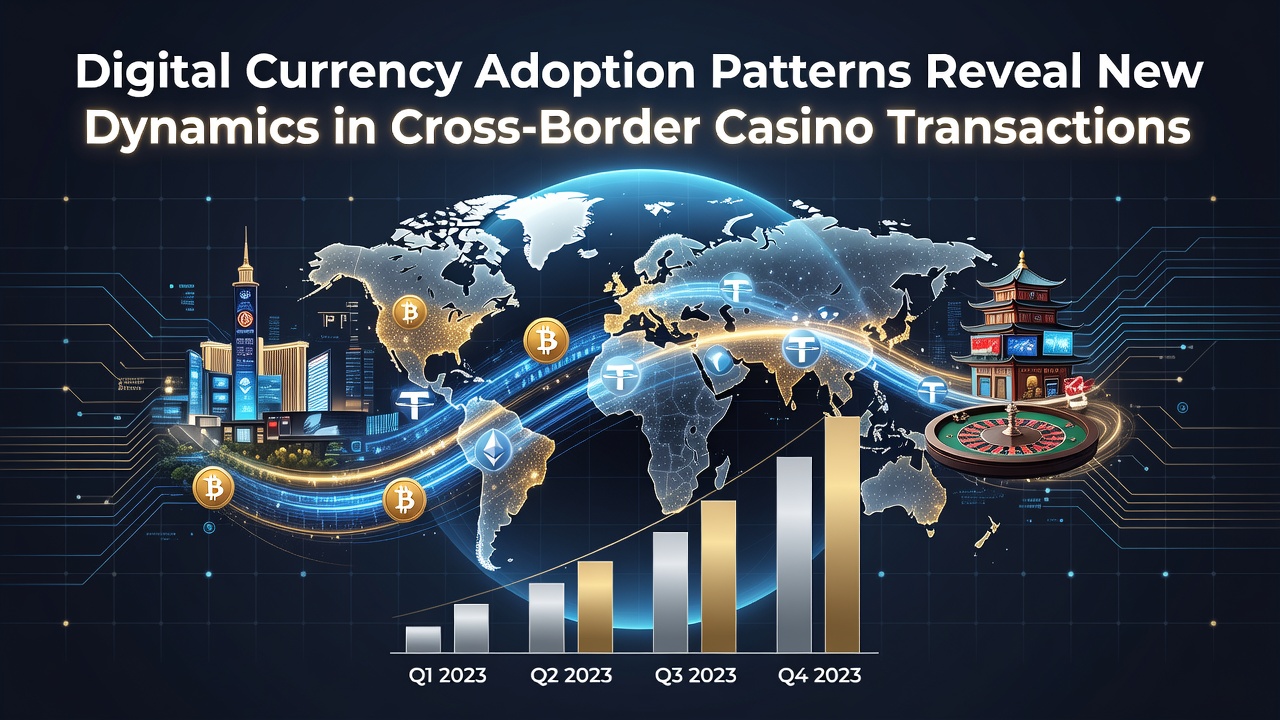
Digital currency adoption in casino environments continues to accelerate as operators and players navigate international payment corridors; data from multiple jurisdictions shows rising volumes of cryptocurrency transfers supporting cross-border activity throughout 2026. Platforms in Asia, Europe, and North America report measurable increases in bitcoin, ethereum, and stablecoin usage for deposits and withdrawals, while traditional banking rails remain constrained by varying national rules. Observers note that these patterns reflect broader shifts in how gaming establishments handle funds that cross regulatory boundaries.
Regional Adoption Rates and Volume Shifts
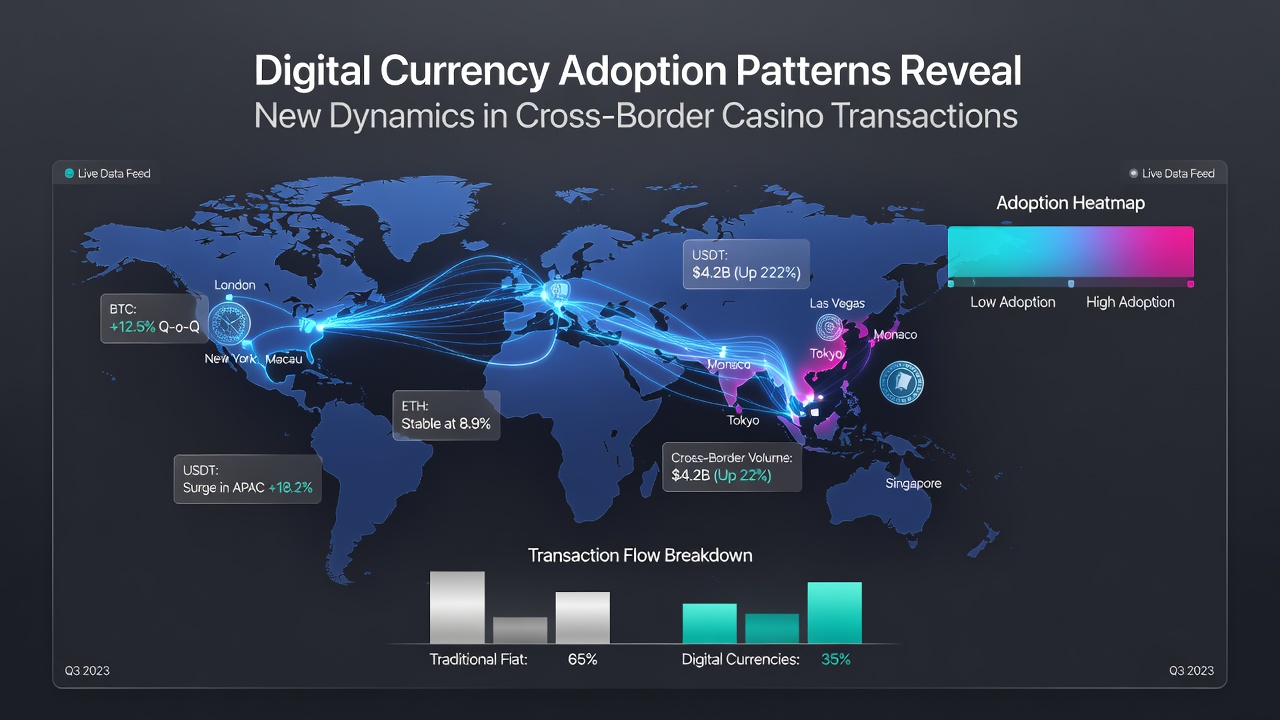
Figures compiled through mid-2026 indicate that Asian markets account for a substantial share of crypto-enabled casino transactions, driven by demand in Macau and emerging sites in Southeast Asia where capital controls prompt alternative transfer methods. European operators have recorded steady growth in stablecoin activity following updates to payment directives that clarified digital asset handling. In North America, several state-licensed platforms integrated crypto options earlier in the year, resulting in higher average transaction values compared with card-based methods. As of August 2026, transaction monitoring services documented a 27 percent year-over-year rise in cross-border crypto flows tied to gaming accounts, according to aggregated industry reports.
Security Protocols and Compliance Frameworks
Operators have implemented layered verification systems that combine blockchain analytics with know-your-customer requirements to address money laundering risks inherent in borderless transfers. Research from academic centers in Canada and Australia highlights how real-time screening tools reduce exposure to sanctioned wallets while maintaining processing speeds that traditional wires cannot match. Gaming associations across multiple continents have issued guidance encouraging multi-signature wallets and on-chain auditing features; these measures appear in operational manuals at several large international resorts. Data shows that platforms adopting such protocols experience fewer compliance flags from financial intelligence units in their respective regions.
Impact on Player Behavior and Platform Features
Players engaging in cross-border activity often select digital currencies for faster settlement times and reduced intermediary fees, according to surveys conducted by European and Asian research groups. Casinos respond by offering dedicated crypto portals that display live exchange rates and integrate directly with popular wallets, thereby streamlining the deposit process. One documented case involved a Southeast Asian operator that introduced tiered loyalty rewards for cryptocurrency users, resulting in increased repeat cross-border volume within six months. Those who track these developments observe that volatility hedging tools, such as stablecoin pairings, have become standard features on many sites to retain users concerned about price swings.
Regulatory Developments Across Jurisdictions
Authorities in Singapore and the Isle of Man updated licensing conditions in early 2026 to require explicit disclosure of crypto transaction monitoring capabilities, while Canadian provincial regulators emphasized audit trails for all digital asset movements. Industry organizations including the European Gaming and Betting Association have published position papers detailing best practices for cross-border flows, and these documents serve as reference points for operators expanding into new markets. Financial Crimes Enforcement Network guidance on virtual currency has influenced similar frameworks elsewhere, prompting operators to align internal controls with evolving expectations. Academic studies from Australian universities further examine how these rules affect transaction patterns without restricting legitimate play.
Future Trajectories and Infrastructure Needs
Payment infrastructure providers are expanding partnerships with blockchain analytics firms to support anticipated growth in volume, while casino groups evaluate central bank digital currency pilots for potential integration. Reports from trade bodies indicate that infrastructure investments made in the first half of 2026 already support higher throughput for multi-jurisdictional transfers. Observers note that continued collaboration between regulators and operators will determine how quickly new dynamics stabilize across borders.
Conclusion
Patterns emerging from current data demonstrate that digital currency adoption continues to influence the structure and speed of cross-border casino transactions, supported by advancing compliance tools and regional regulatory adjustments. Stakeholders across the industry track these developments through shared metrics and joint initiatives that prioritize both operational efficiency and risk mitigation.