Examining Biometric Verification Layers That Secure High-Stakes Transactions Across Leading Mobile Poker Platforms
Tina Patterson · Aug 14, 2026
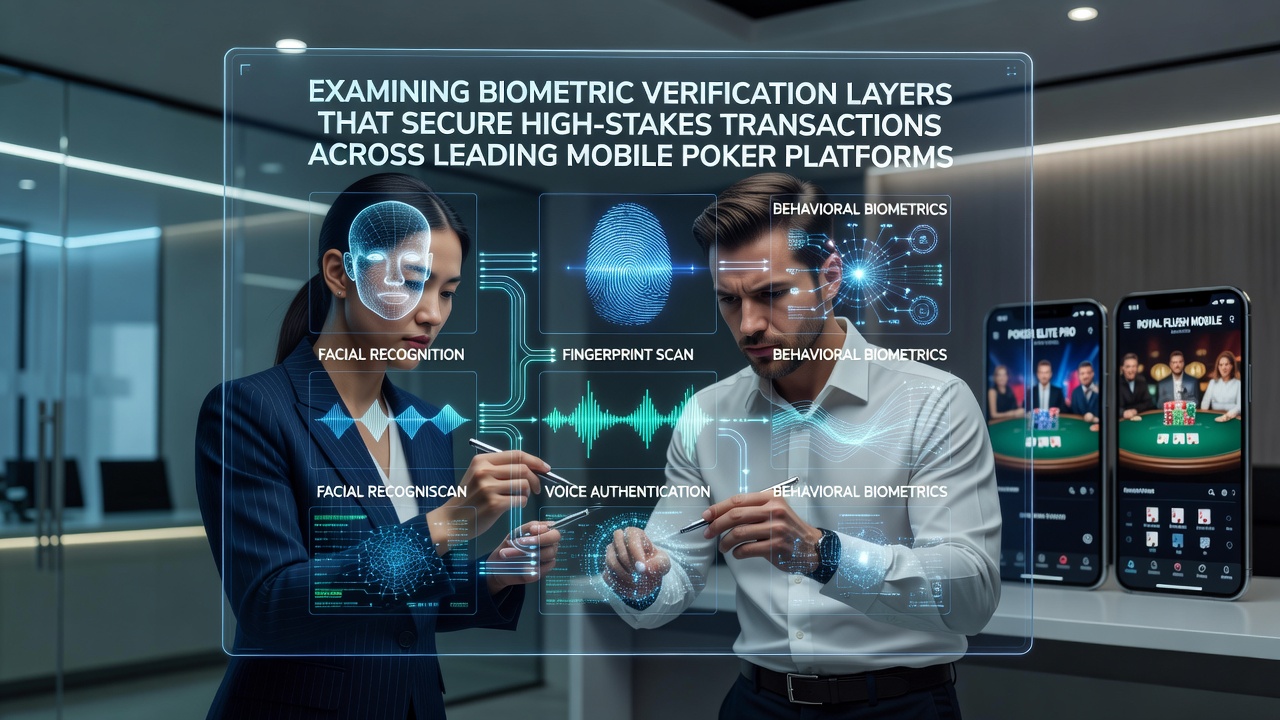
Biometric Verification: Fortifying High-Stakes Mobile Poker Transactions
Mobile poker platforms have integrated multiple biometric verification layers to protect high-stakes transactions, and these systems combine fingerprint scanning, facial recognition, and voice analysis that confirm user identity before any funds move. Data from industry reports shows adoption rates climbing steadily through 2026, while platforms report fewer unauthorized access attempts when layered checks replace single-factor methods. Observers note that high-value players often complete deposits and withdrawals only after passing at least two biometric stages in sequence.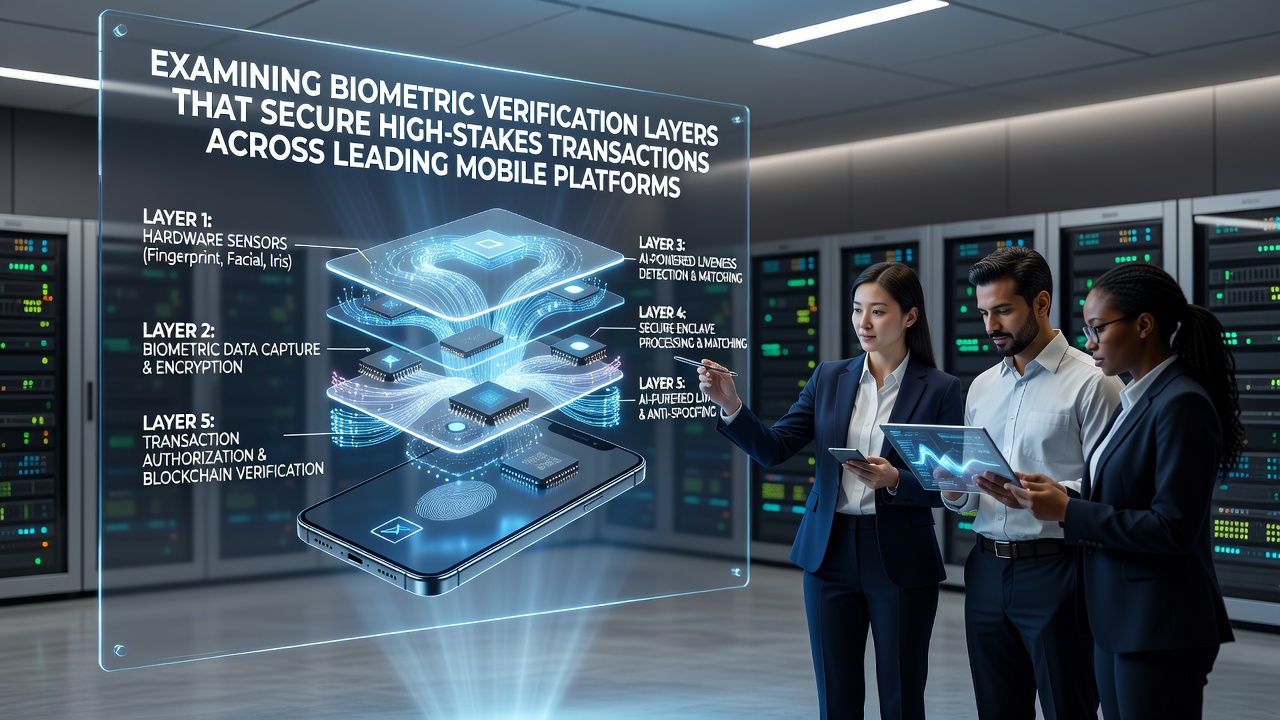
Mobile poker platforms have integrated multiple biometric verification layers to protect high-stakes transactions, and these systems combine fingerprint scanning, facial recognition, and voice analysis that confirm user identity before any funds move. Data from industry reports shows adoption rates climbing steadily through 2026, while platforms report fewer unauthorized access attempts when layered checks replace single-factor methods. Observers note that high-value players often complete deposits and withdrawals only after passing at least two biometric stages in sequence.Core Biometric Methods in Current Use
Fingerprint sensors remain the most common entry point because they work quickly on most modern devices, yet platforms layer facial recognition on top for larger sums. Voice biometrics capture unique vocal patterns during brief prompts, and these match against stored templates created at account setup. Researchers at several universities have documented accuracy rates above 99 percent when systems combine two modalities, while single-modality checks show higher false rejection rates during peak hours. As of August 2026, several leading operators updated their protocols to require iris scanning for transactions exceeding certain thresholds, and this addition stems from hardware improvements in flagship smartphones. Those who've studied transaction logs observe that multi-modal systems reduce fraud incidents by measurable margins compared with earlier password-only setups.Platform Implementation Patterns
Leading mobile poker applications embed these checks directly into the payment flow, so users complete verification without leaving the app. One documented case involves a platform that triggers facial analysis whenever a player attempts a transfer above a preset limit, and the process takes under three seconds on average. Another operator pairs fingerprint confirmation with real-time liveness detection to block static image spoofs, while voice prompts appear only during withdrawal requests. Data indicates these seamless integrations maintain player engagement even as security tightens, and the same reports highlight lower chargeback volumes after rollout. Platforms in different regions adapt the same core technologies to meet local hardware standards, yet all emphasize continuous monitoring of matching algorithms.