Geofencing Technology Enforces Varying Poker Hand Limits Under Regional Payment Regulations
Drew Lorenz · Jun 21, 2026
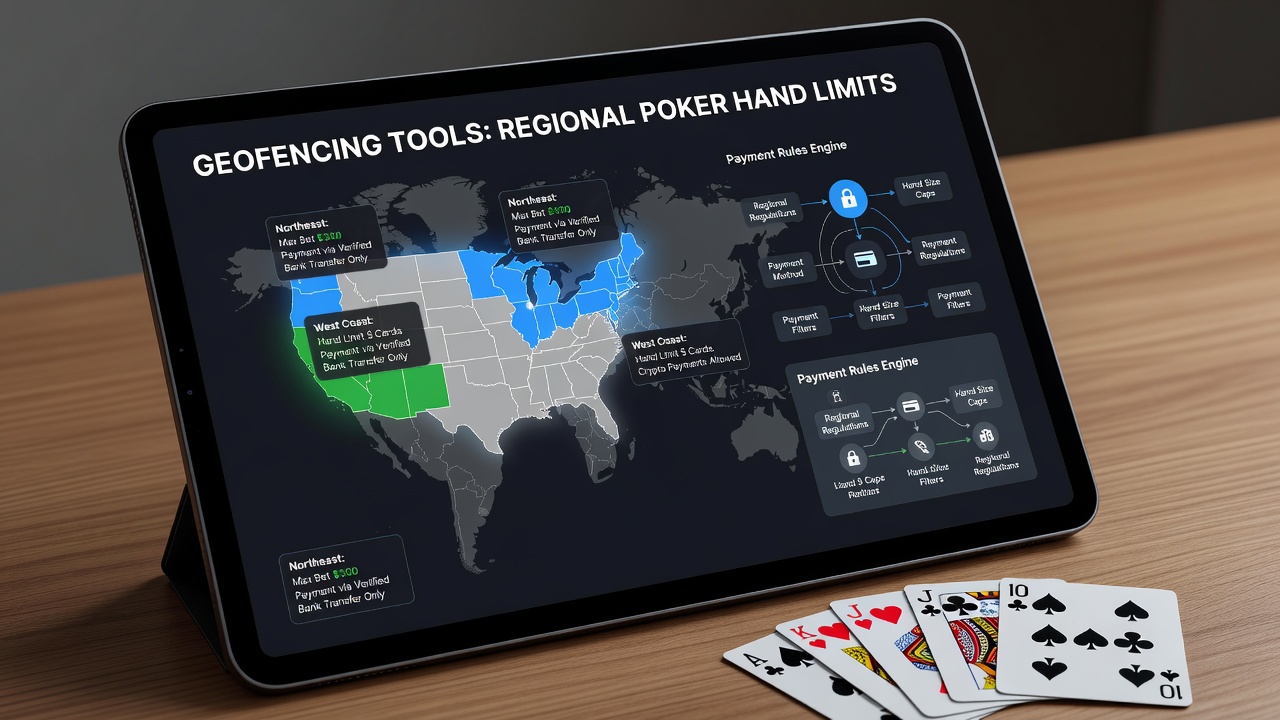
Geofencing Technology Enforces Varying Poker Hand Limits Under Regional Payment Regulations
Geofencing tools integrate location data with payment compliance systems to adjust poker hand limits dynamically across different regulatory zones, and operators deploy these solutions to align with local financial transaction rules that govern maximum stakes and deposit thresholds. Research from industry reports indicates that such technology relies on GPS coordinates, IP address verification, and cellular triangulation to establish virtual boundaries around permitted gaming areas, while payment processors feed real-time data on allowable transaction sizes into the same platform.
Core Mechanics of Location-Based Compliance Systems
Systems detect a player's position at the start of each session and apply corresponding hand caps based on the jurisdiction's payment statutes, so a user in one state might face a $50 per hand maximum whereas someone across a border sees limits climb to several hundred dollars depending on approved banking channels. Data shows that these tools refresh boundary checks every few minutes during active play to prevent circumvention through VPNs or proxy services, and operators integrate them with banking APIs that flag restricted payment methods like certain e-wallets or wire transfers in high-risk zones.
Developers combine satellite positioning with network signals to create layered verification, whereas single-method approaches often fail under strict audits; this multi-factor setup ensures that poker platforms enforce hand limits tied directly to regional rules on maximum bet sizes and deposit frequencies. Observers note that June 2026 brought updated mapping databases in several North American markets after new licensing frameworks took effect, prompting software patches that recalibrated boundaries around tribal lands and urban centers.
Payment Rule Variations Across Jurisdictions
Regional statutes dictate everything from daily deposit ceilings to restrictions on cryptocurrency funding, which in turn shapes the poker hand limits geofencing tools must enforce; for instance, certain Canadian provinces tie higher stake permissions to verified bank transfers while limiting credit card use entirely. Figures from regulatory filings reveal that European markets outside the UK often link hand caps to consumer protection thresholds that cap total session exposure, and platforms adjust these automatically when a device crosses into a different licensing area.
Take one platform serving multiple U.S. states where payment rules diverge sharply: Nevada permits broader transaction types that support elevated hand limits, whereas neighboring jurisdictions restrict options to prepaid cards only, forcing lower caps. According to data released by the Nevada Gaming Control Board, geofencing accuracy rates exceeded 99 percent in tested environments during early 2026, allowing operators to maintain compliance without manual intervention on every session.
Integration With Banking Infrastructure
Payment gateways transmit jurisdiction-specific rules directly to the geofencing layer so that hand limits update before cards are dealt, and this connection prevents players from accessing tables that exceed their region's approved transaction volume. Studies conducted by academic teams at institutions tracking digital finance show that latency in these data exchanges stays below 200 milliseconds in optimized setups, which keeps gameplay uninterrupted while satisfying audit requirements.
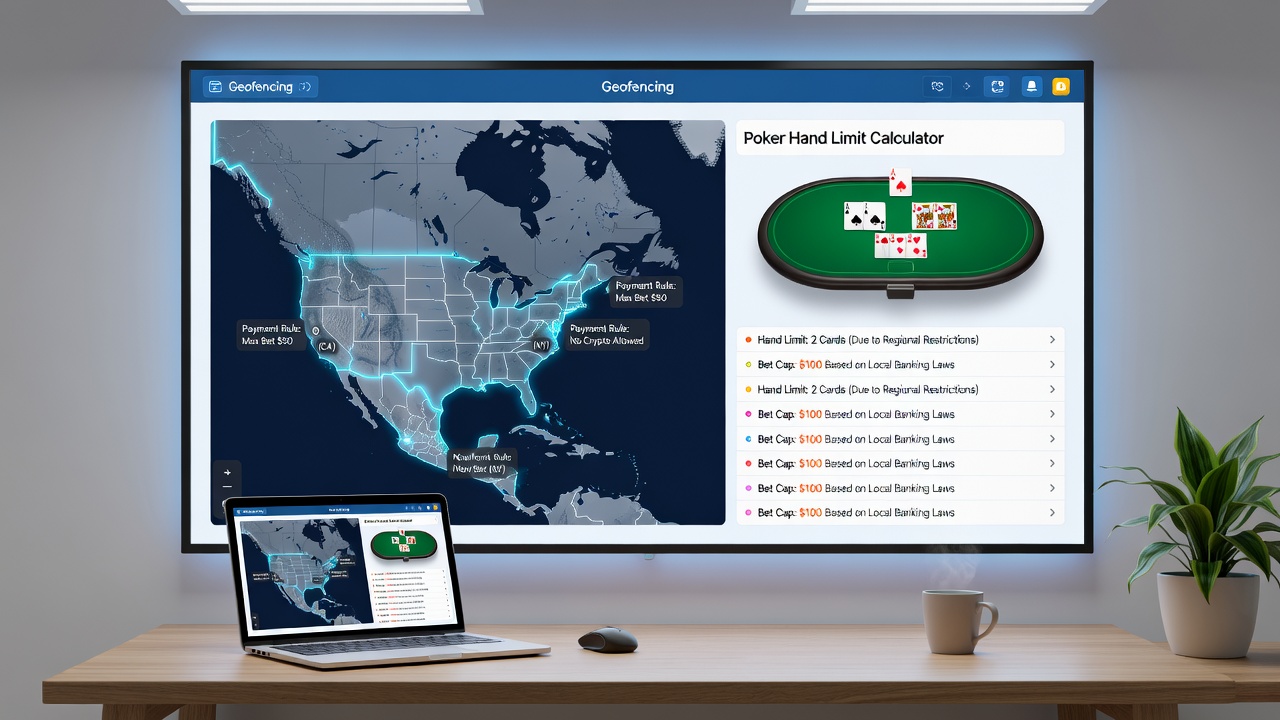
What's interesting is how these tools also log every boundary crossing and limit adjustment for compliance reporting, creating detailed records that regulators review during license renewals. One case involved a major operator adjusting its Australian-facing servers after the Australian Communications and Media Authority introduced tighter rules on instant transfer methods, resulting in lowered hand maximums for users in certain territories.
Challenges in Maintaining Accurate Boundaries
Network fluctuations near jurisdictional edges sometimes trigger repeated verification prompts, yet modern implementations use predictive algorithms to smooth these transitions and avoid abrupt session interruptions. Research indicates that false positive detections dropped significantly after operators began cross-referencing multiple data streams rather than relying on GPS alone, and this refinement proved especially useful in densely populated border regions.
Platforms also contend with evolving payment regulations that shift hand limit formulas mid-year, requiring rapid updates to the geofencing rule engine; June 2026 saw several such changes in Asian markets where new banking restrictions took effect ahead of international tournament seasons. Those who've studied deployment logs observe that successful systems maintain fallback protocols allowing manual overrides when automated checks encounter connectivity gaps, preserving both compliance and user experience.
Future Developments in Adaptive Limit Enforcement
Engineers continue refining artificial intelligence models that predict regulatory shifts and pre-adjust poker parameters accordingly, while testing expanded use of device sensors for even tighter location validation. Evidence suggests these advances will further tie hand limits to real-time payment availability, reducing instances where players encounter unexpected restrictions during live sessions.
Conclusion
Geofencing technology paired with payment rule databases now forms a standard compliance layer for online poker operations spanning multiple regions, delivering automated hand limit adjustments that reflect local financial regulations. Continued refinement of positioning accuracy and data integration supports consistent enforcement without disrupting play, and records generated by these systems aid regulatory oversight across evolving markets.