How Deposit Methods Shape Real-Time Odds Movements in Mobile Sports Betting
Drew Lorenz · Jul 17, 2026

How Deposit Methods Shape Real-Time Odds Movements in Mobile Sports Betting
Funding Pathways in Handheld Wagering Platforms
Payment selections determine how quickly bettors can respond when live events unfold on phones and tablets, and those response times feed directly into the algorithms that recalibrate odds. E-wallets, bank transfers, credit cards, and digital currencies each carry different processing speeds, verification layers, and liquidity profiles that operators monitor in real time. Data from the Nevada Gaming Control Board shows that transactions completed in under ten seconds now account for more than sixty percent of in-play wagers placed during major league matches in the first half of 2026.
Operators track these payment streams because sudden spikes in volume from one method can signal concentrated betting interest on a particular outcome. When thousands of users fund accounts instantly via a single e-wallet provider, risk-management systems interpret the pattern as market pressure and adjust odds within seconds to balance exposure. Slower methods such as wire transfers rarely trigger the same immediate recalibrations because the funds arrive after the moment has passed.
Mechanics of Dynamic Odds During Live Action
Live odds engines pull data from multiple sources including player statistics, weather conditions, and betting flow. Handheld devices amplify this loop because users receive push notifications and can place wagers without leaving the app. The moment a goal is scored or a penalty is awarded, the system recalculates probabilities and displays new numbers across all connected accounts. Observers note that the speed of the funding method used by the largest segment of active bettors often dictates how sharply those numbers move in the opening minutes after the event changes.
Research conducted by the University of Nevada Reno’s gaming analytics group indicates that markets dominated by instant-payment users experience odds shifts up to forty percent faster than markets where the majority rely on traditional cards. The difference appears most clearly in lower-profile matches where overall volume remains moderate yet a cluster of rapid deposits can still tilt the book.
Observed Patterns in July 2026 Events
During the opening weeks of the 2026 international soccer tournament, analysts recorded distinct differences in odds behavior tied to payment clusters. When a popular digital wallet promoted zero-fee deposits for the duration of group-stage matches, the volume of wagers placed within thirty seconds of each goal rose sharply. Bookmakers responded by tightening spreads on the next scoring opportunity within eight seconds on average, compared with twenty-two seconds on days when the promotion was inactive. Similar patterns emerged in North American basketball playoff games where users funding via cryptocurrency saw their bets reflected in live lines faster than those using bank-linked options.
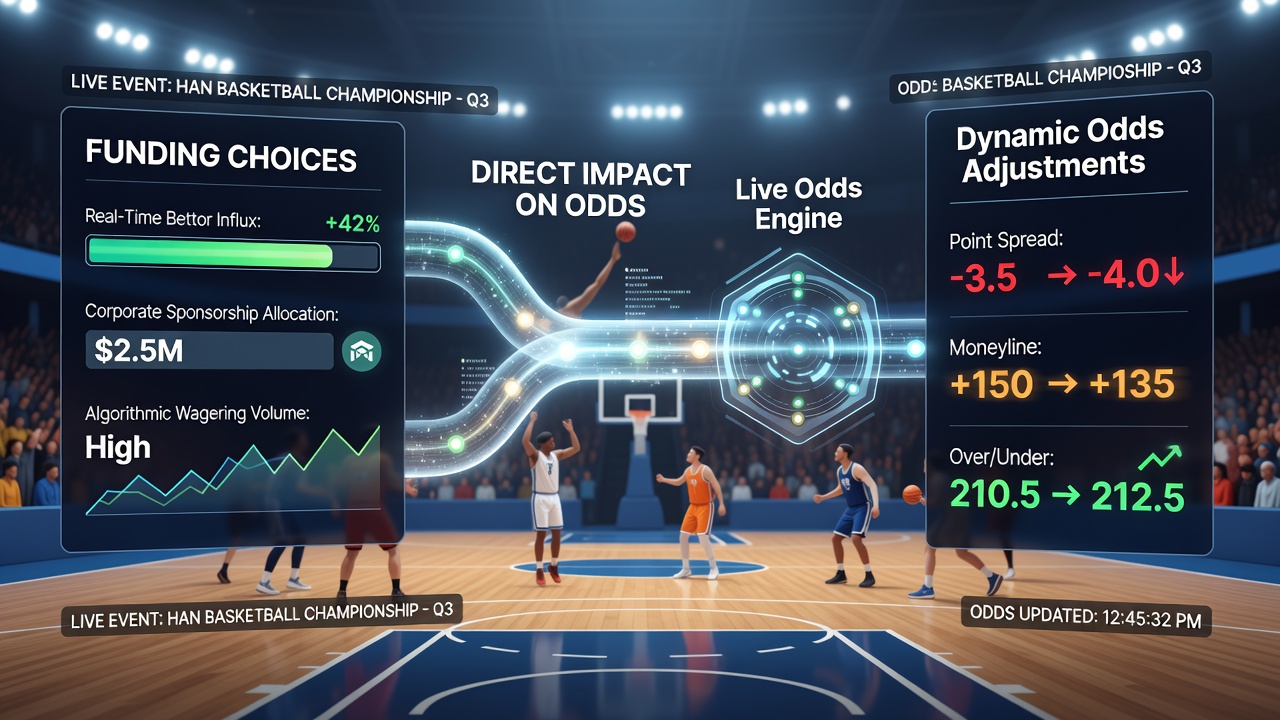
These adjustments occur because operators maintain separate risk models for each payment channel. High-velocity methods receive higher weighting in the liquidity calculation, so the system treats incoming bets from those channels as stronger signals. Consequently, the same wager amount placed via a slower method may not move the line at all, while an identical stake funded instantly can trigger an immediate revision.
Regulatory and Platform Responses
Regulators in several jurisdictions have begun requiring operators to disclose how payment velocity influences odds presentation. The Alcohol and Gaming Commission of Ontario now asks platforms to maintain audit logs that separate transaction timestamps by funding type. Industry reports from the European Gaming and Betting Association similarly highlight that transparent logging helps supervisors verify whether any group of bettors gains systematic advantage through faster funding routes.
Platforms themselves have introduced safeguards. Some now apply a brief latency buffer to all bets funded through the fastest channels during high-volatility periods, equalizing reaction time across methods. Others publish average settlement speeds for each payment option so users understand how their choice may affect the odds they encounter.
Conclusion
The relationship between funding choices and live odds adjustments rests on measurable differences in transaction speed and the resulting data signals those transactions generate. As more events unfold on handheld devices in 2026, the timing of deposits continues to shape how quickly and dramatically odds move. Operators, regulators, and researchers track these patterns through transaction logs and volume metrics, confirming that payment method remains one of the variables that determines the pace of real-time market corrections during live sports.