Hybrid Gaming Ecosystems Combine Esports Betting with Slot Tournaments
Drew Lorenz · Jun 12, 2026
Hybrid Gaming Ecosystems Combine Esports Betting with Slot Tournaments
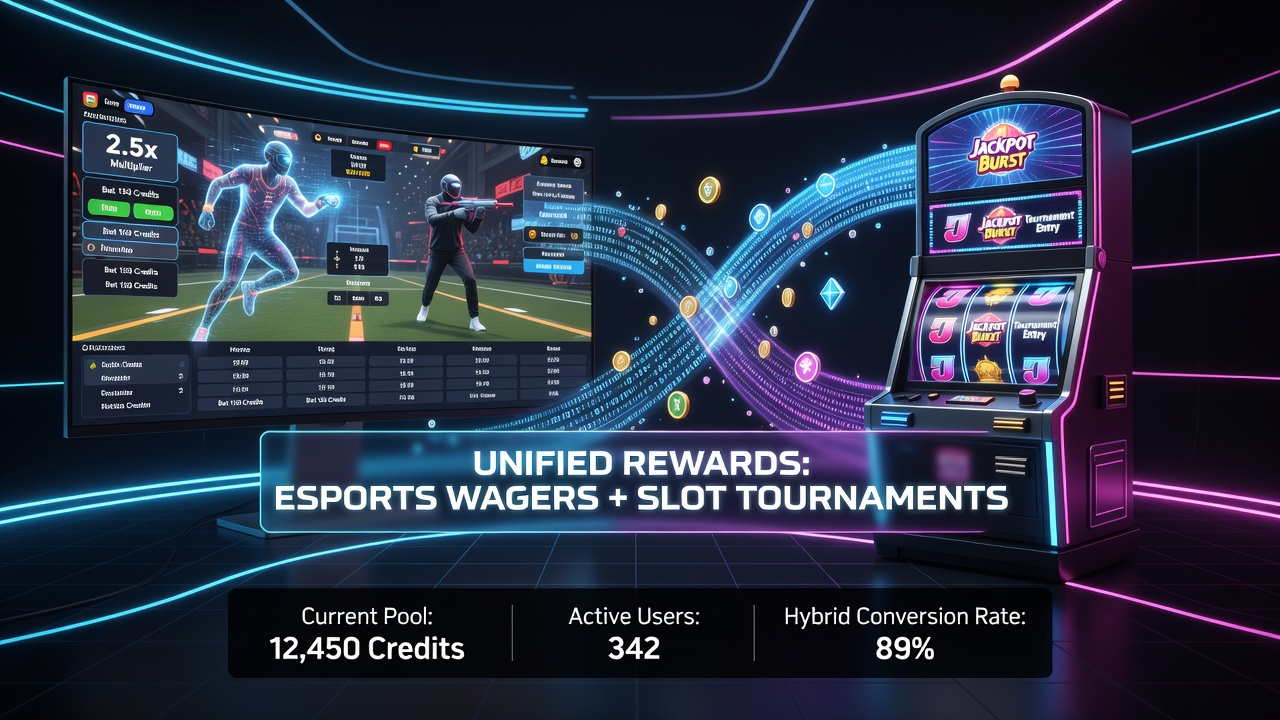
Platforms that merge esports wagers with slot tournament entries through single reward systems have expanded their operations by June 2026, creating environments where participants earn and redeem points across both competitive gaming matches and reel-based competitions. These systems track activity from live esports matches alongside timed slot sessions, converting performance metrics and wager volumes into shared loyalty balances that unlock entry fees, bonus spins, or cash equivalents.
Mechanics Behind Unified Reward Integration
Operators structure these platforms so that an esports bet placed on a match result generates points at the same rate as a slot tournament buy-in, while additional multipliers apply when users complete challenges that span both formats. Data from platform analytics shows that participants who engage in both verticals maintain higher retention rates than those limited to single categories, because the unified ledger reduces friction in moving between esports lobbies and casino tournament brackets. Real-time APIs connect betting engines with slot servers, allowing points earned during an esports final to appear instantly in a user's tournament wallet for the next available slot event.
Software providers have adapted their back-end architecture to handle cross-category tracking, using blockchain elements in some cases to log reward transactions transparently across jurisdictions. This approach lets operators comply with varying regional rules while maintaining a single user profile that carries progress forward regardless of game type.
Market Expansion and Participation Trends
Figures released in early 2026 indicate that hybrid platforms captured a growing share of the combined esports and online casino market, with user bases increasing steadily through the first half of the year. Tournaments that require both an esports wager and a slot entry have drawn larger fields than standalone events, because the reward system allows partial credit from one activity to offset costs in the other. Observers note that platforms operating in multiple regions adjust prize pools dynamically based on participation volume, ensuring that unified rewards maintain consistent perceived value.
Regional Regulatory Context
Authorities in several markets have issued guidance on how unified systems must separate funds and report activity. The Nevada Gaming Control Board requires clear delineation between esports wagering accounts and slot tournament funds even when points flow through a common ledger, while the Malta Gaming Authority focuses on consumer protection disclosures for cross-product loyalty mechanics. In Australia the Australian Communications and Media Authority monitors advertising claims about reward portability to prevent misleading promotions that overstate transferability between verticals.
Technical Infrastructure Supporting Cross-Vertical Play
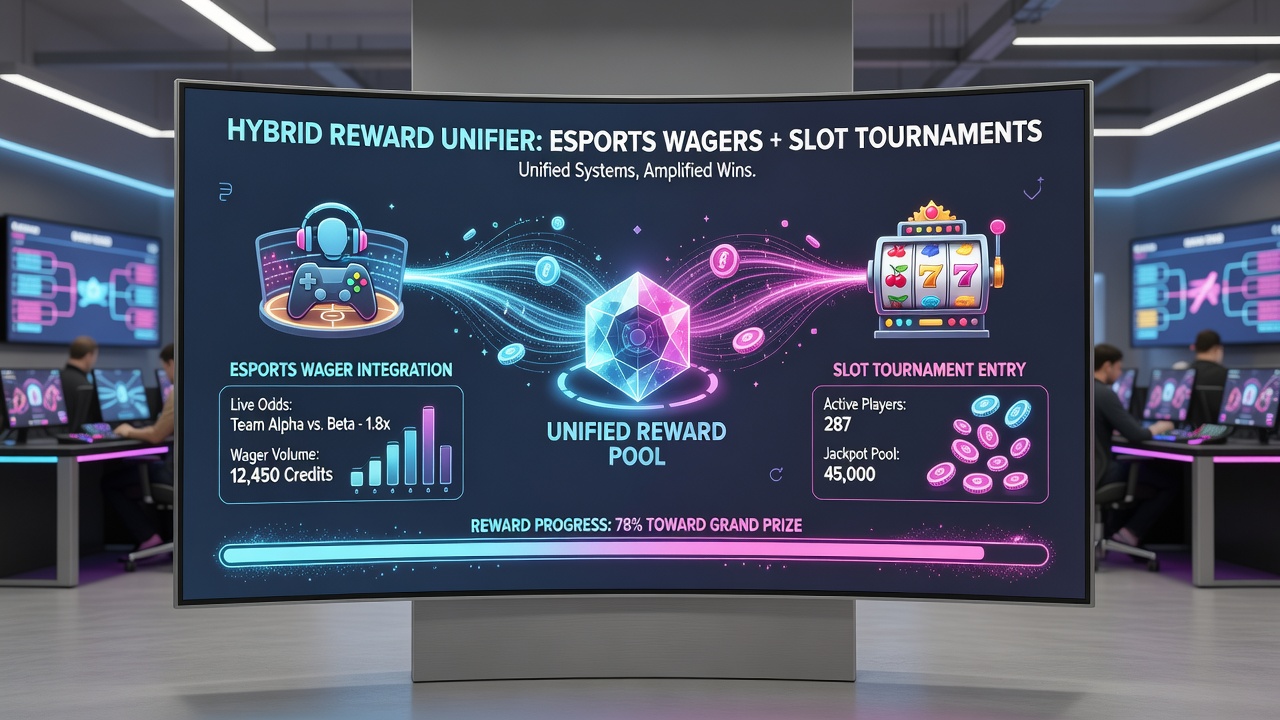
Developers build these platforms around modular APIs that push data from esports odds engines into slot tournament management tools without exposing sensitive financial information. Encryption protocols ensure that wager details and spin outcomes remain isolated while aggregated points update in a central rewards module. Several providers have published technical papers describing how machine learning models predict optimal reward exchange rates to balance supply of tournament seats against demand from esports bettors.
Payment processors integrated into these systems support instant conversion of reward points into entry credits, reducing the steps required for users to move from watching an esports stream to joining a slot competition. This seamless flow has prompted operators to schedule synchronized events where esports matches conclude just as slot tournaments open registration, maximizing crossover participation.
Examples of Platform Implementation
One operator launched a program in late 2025 that awards hybrid points for correct esports predictions and for reaching certain win thresholds in slot tournaments, then allows redemption against entry fees for either format. Another platform partnered with an esports organizer to embed slot tournament qualifiers directly into match-day apps, so viewers placing in-game wagers automatically receive tournament tickets based on their combined activity. These implementations rely on unified databases that reconcile activity across time zones and regulatory boundaries.
Conclusion
Hybrid platforms that link esports wagers with slot tournament entries through consolidated reward systems continue to evolve their technical and compliance frameworks as of June 2026. Regulatory bodies across different regions maintain oversight on fund separation and consumer disclosures, while operators refine API connections and loyalty mechanics to support sustained cross-vertical engagement. Data on participation volumes and retention patterns provides the basis for ongoing adjustments to exchange rates and event scheduling.