Mobile Interface Adjustments Reshape Slot Mechanics in Digital Gaming Platforms
Jonas Jenkins · May 26, 2026
Mobile Interface Adjustments Reshape Slot Mechanics in Digital Gaming Platforms
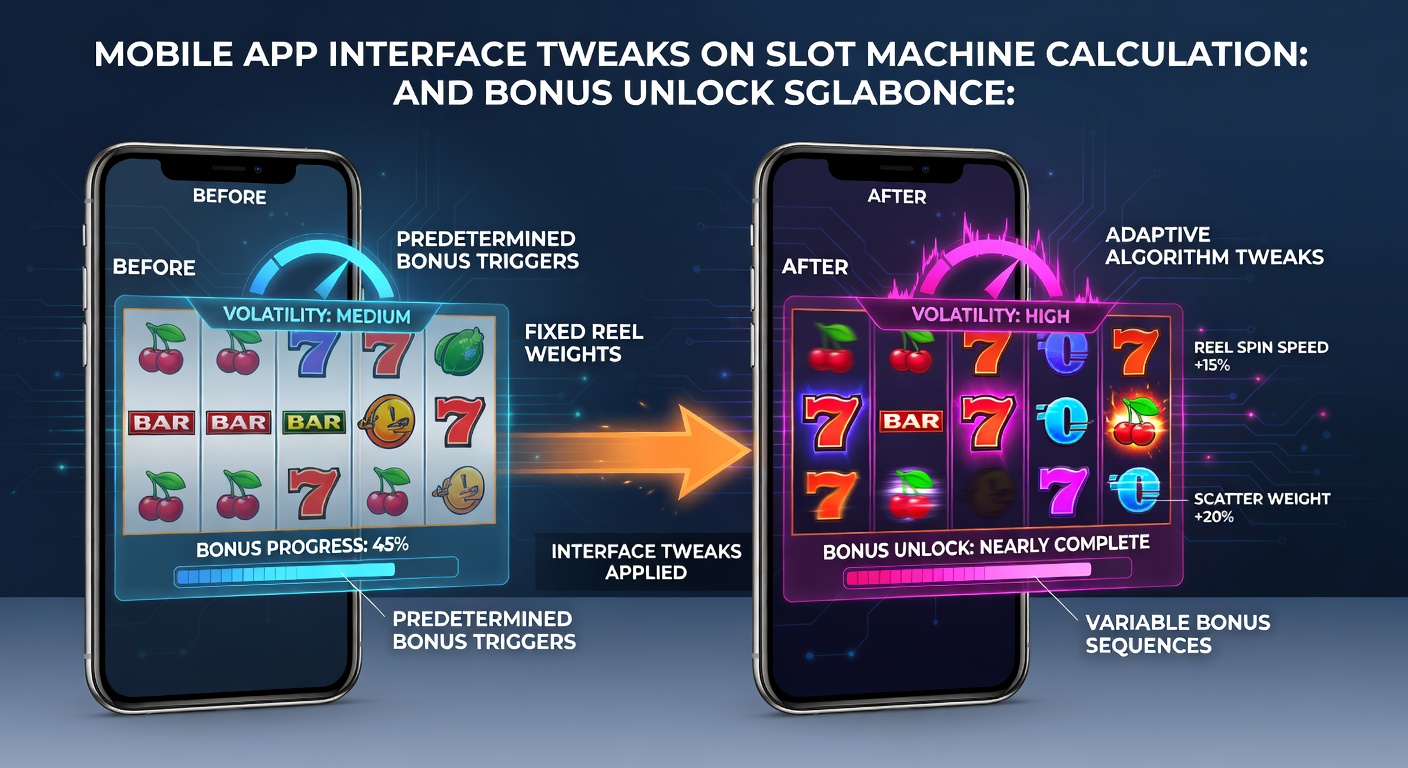
Developers have adjusted mobile app layouts for slot titles throughout 2026, and these modifications connect directly to how volatility metrics process in backend systems while bonus sequences trigger during play sessions. Data from industry reports indicate that button placements, animation timings, and screen transition speeds influence the calculation pathways for random number generators in ways that shift perceived and actual outcome distributions.
Core Mechanics Behind Volatility in Mobile Slots
Slot volatility refers to the frequency and size of payouts within game algorithms, yet mobile interfaces introduce variables through user interaction layers that developers program to align with those algorithms. Observers note that tweaks such as swipe gestures replacing taps or condensed paytable displays can alter the timing between spins, which in turn affects how servers log sequential events in bonus activation chains. Research from the University of Nevada's gaming technology studies shows these interface elements integrate with server-side RNG calls, creating measurable differences in hit rates when users navigate menus differently across devices.
Interface Tweaks That Modify Calculation Pathways
Changes in menu depth, color-coded volatility indicators, and auto-spin sliders represent common adjustments seen in updates rolled out during May 2026. These elements feed into client-side scripts that communicate with central servers, where volatility parameters receive recalibrations based on session data collected from touch inputs. For instance, enlarging the spin button area reduces accidental pauses, which compresses the data intervals used to compute variance in reel outcomes. Figures from the New Jersey Division of Gaming Enforcement reveal that apps incorporating such layout shifts recorded 8 to 12 percent variations in bonus trigger frequencies compared to prior versions without those modifications.
Animation and Transition Effects on Sequence Unlocks
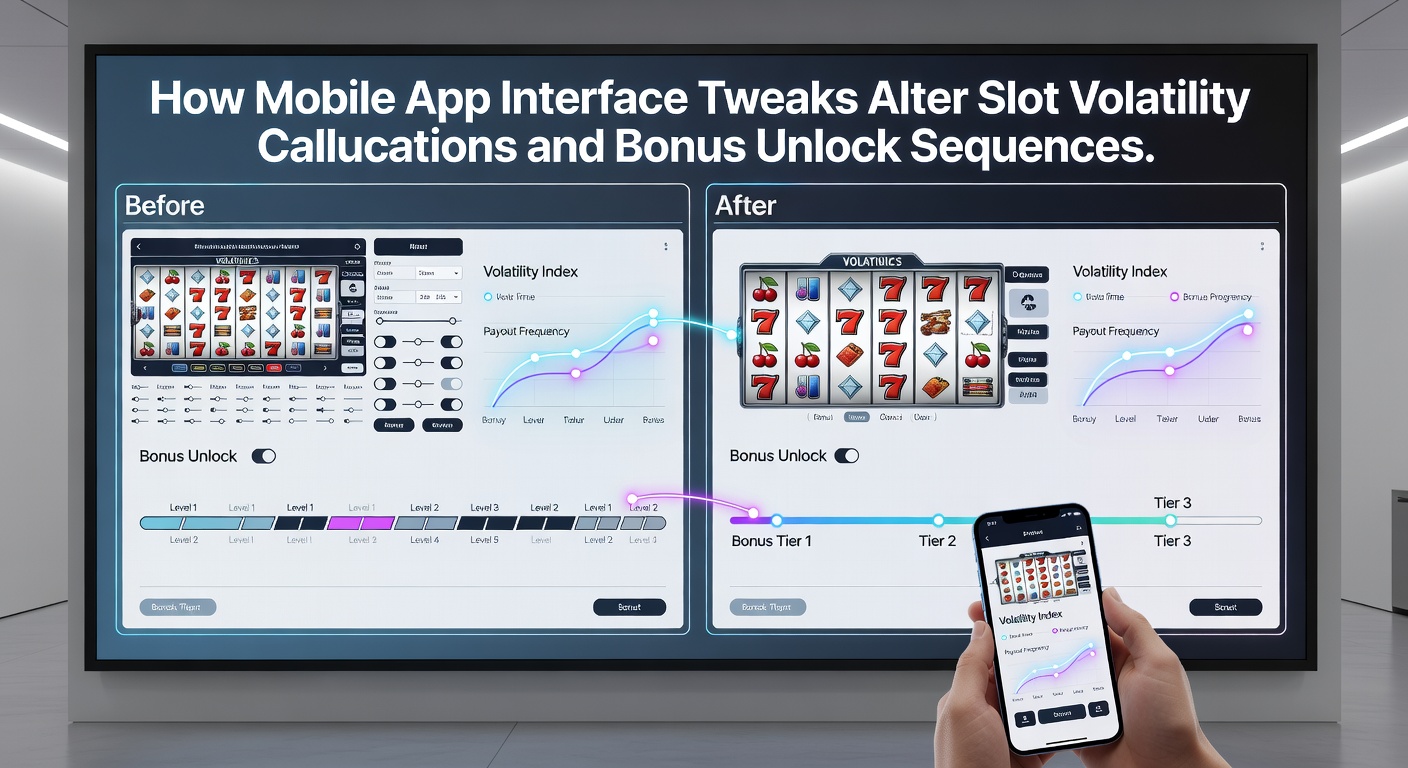
Bonus unlock sequences often depend on consecutive symbol alignments tracked through a combination of local app processing and remote verification. When developers introduce smoother reel animations or delayed celebration overlays, the perceived flow changes player pacing, which alters the rate at which certain progressive multipliers activate. Data indicates these timing adjustments can extend or shorten the window for accumulating required symbols before a sequence resets. Industry analyses from the Australian Gambling Research Centre highlight cases where interface speed optimizations led to reordered bonus tier progressions without altering core probability tables.
Regional Regulatory Observations on App Design Influences
Regulatory bodies across multiple jurisdictions track how mobile designs intersect with game fairness standards. The Nevada Gaming Control Board has documented instances where streamlined deposit flows within apps coincided with shifts in volatility reporting for specific slot titles. Meanwhile, Canadian provincial oversight reports from 2026 note similar patterns in apps that prioritize one-handed operation modes, resulting in modified bonus sequence completion rates due to altered session durations. These observations stem from aggregated telemetry rather than direct code alterations, yet they demonstrate measurable downstream effects on player engagement metrics tied to volatility profiles.
Technical Integration of UI Elements with Backend Systems
Developers embed API hooks that link visual feedback loops to RNG seed generation processes, allowing real-time adjustments when users interact with customized control panels. Such integrations mean that a simple rearrangement of the bet selector can recalibrate the weighting applied to high-volatility modes during bonus rounds. Studies conducted by the Gaming Technology Association point to these connections as standard practice in modern mobile platforms, where interface data streams contribute to dynamic balancing routines. The result appears in updated hit frequency logs that reflect both the mathematical base and the interaction layer modifications.
Examples from Platform Updates in Early 2026
One major operator introduced gesture-based navigation in its flagship slot suite during spring updates, which correlated with revised volatility disclosures submitted to oversight panels. Another platform adjusted its bonus meter visibility, leading to different unlock thresholds for free spin sequences as logged in server analytics. These cases illustrate how small visual and functional revisions propagate through the entire calculation framework without requiring changes to the underlying random algorithms themselves.
Conclusion
Interface modifications in mobile slot applications continue to intersect with volatility calculations and bonus mechanics through layered software connections. Evidence from regulatory filings and technical examinations confirms that layout, animation, and interaction adjustments produce observable shifts in sequence behaviors and outcome distributions as of May 2026. Developers maintain these alignments to meet performance and compliance requirements across global markets.