Regional Licensing Differences Reshape Payout Schedules in Online Poker and Slots
Drew Lorenz · Jul 12, 2026
Regional Licensing Differences Reshape Payout Schedules in Online Poker and Slots
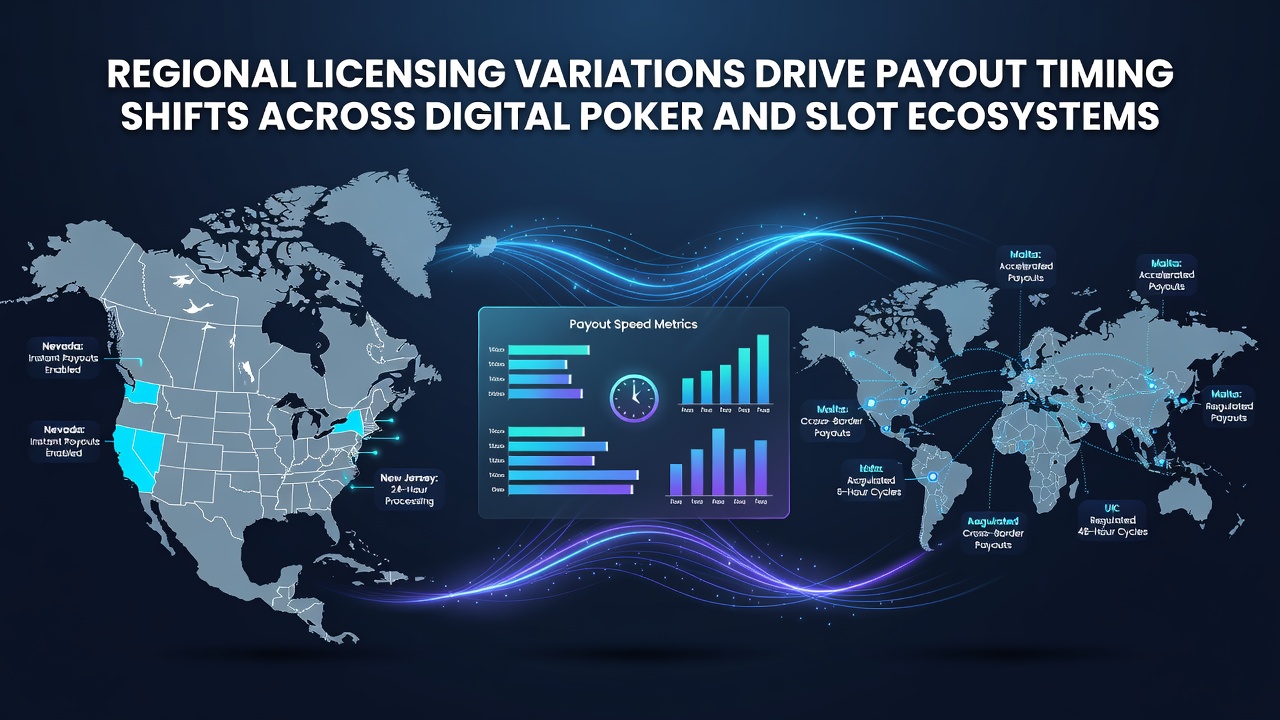
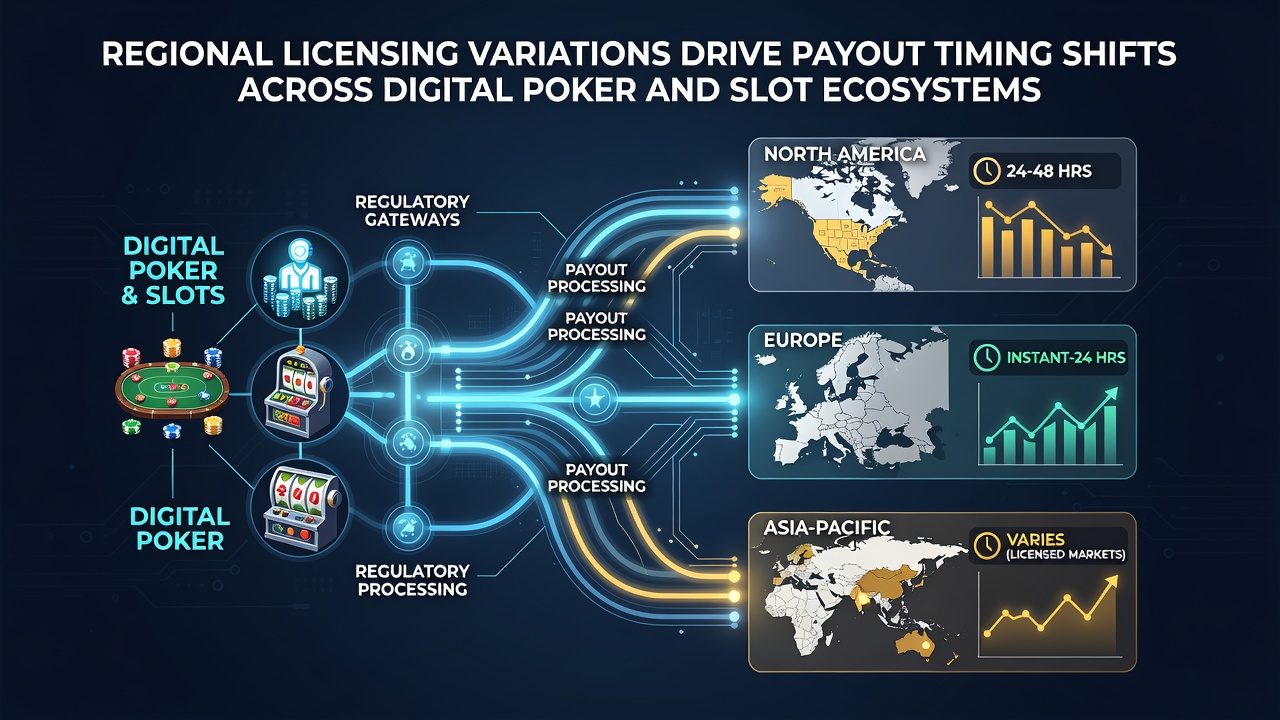
Regional licensing frameworks create distinct payout timelines across digital poker and slot platforms, with operators adjusting withdrawal processes to match local regulatory demands. Data from industry reports show that platforms operating under multiple jurisdictions often implement staggered release schedules, where funds clear faster in some markets than others due to verification requirements tied directly to license terms.
Core Mechanisms Behind Licensing-Driven Shifts
Operators must align their financial systems with rules that vary by territory, and this alignment directly affects how quickly players receive winnings. In jurisdictions with strict anti-money laundering protocols, additional hold periods become standard, whereas regions with streamlined compliance allow same-day or next-business-day releases. Those who have examined these patterns note that license conditions often mandate specific escrow arrangements or third-party audits, which extend processing windows by several days in certain cases.
Take one operator managing platforms across North America and Europe. That company discovered through internal tracking that Canadian provincial licenses require 72-hour verification holds on slot jackpots exceeding certain thresholds, while comparable European licenses permit immediate processing after basic identity checks. Such differences force backend teams to segment user accounts by region and apply automated rules accordingly.
Poker Ecosystems Face Unique Timing Pressures
Digital poker rooms encounter additional layers of complexity because tournament payouts and cash game withdrawals often involve larger sums that trigger enhanced due diligence. Licensing bodies in different areas impose varying thresholds for these reviews, leading to noticeable delays when players move between platforms. Research indicates that multi-state operators in the United States frequently route withdrawals through separate processing queues based on the originating license, which can stretch timelines from 24 hours to five business days depending on the player's location.
What's interesting is how these variations compound during peak periods. When major online series conclude, regional rules determine whether prize pools release in batches or as single transfers, and platforms must synchronize these releases to avoid compliance violations. Observers note that poker sites with licenses from both the New Jersey Division of Gaming Enforcement and the Kahnawake Gaming Commission have implemented dual-track systems that automatically flag and route transactions differently.
Slot Platforms Adapt Withdrawal Workflows
Slot ecosystems experience similar pressures, particularly with progressive jackpots and bonus-triggered wins that cross regulatory boundaries. Licensing agreements frequently specify how operators must handle tax withholdings and verification steps, which directly lengthen or shorten payout windows. Figures from a 2026 industry analysis reveal that platforms licensed in multiple Australian states process smaller slot wins within 48 hours, while the same operator's Canadian-facing sites apply extended holds for amounts above AUD 10,000.
Yet the mechanics extend beyond simple holds. Some licenses require integration with centralized payment monitoring systems that add sequential approval stages, and operators must build these checkpoints into their automated pipelines. Those who've studied the July 2026 updates across several markets found that recent rule changes in certain provinces introduced mandatory cooling-off periods before large slot payouts, creating predictable but sometimes frustrating delays for players.
Operator Strategies and Player Impacts
Companies respond by developing region-specific payout engines that apply the strictest applicable rules to each transaction. This approach minimizes regulatory risk while creating a patchwork experience where two players on the same platform can wait different lengths of time for identical wins. Data shows that user support queries about withdrawal timing spike whenever operators expand into new licensed markets, reflecting the learning curve players face when navigating these differences.
External sources such as the Nevada Gaming Control Board and academic reviews from the University of Nevada's gaming studies program document how these licensing variations influence overall platform design. The result is a fragmented landscape where payout speed becomes a competitive differentiator only within the constraints of each license.
Conclusion
Regional licensing continues to drive measurable shifts in payout timing throughout digital poker and slot environments, with operators maintaining separate workflows to satisfy diverse regulatory demands. These adjustments produce consistent but uneven experiences for players depending on their location and the specific licenses governing their chosen platforms. As markets evolve through 2026 and beyond, the interplay between license conditions and financial processing remains a central factor shaping how quickly winnings reach users.