Regulatory Shifts in Key Markets Redefine Transaction Dynamics for Cross-Border Poker and Slot Operations
Dana Patterson · Aug 23, 2026
Regulatory Shifts in Key Markets Redefine Transaction Dynamics for Cross-Border Poker and Slot Operations
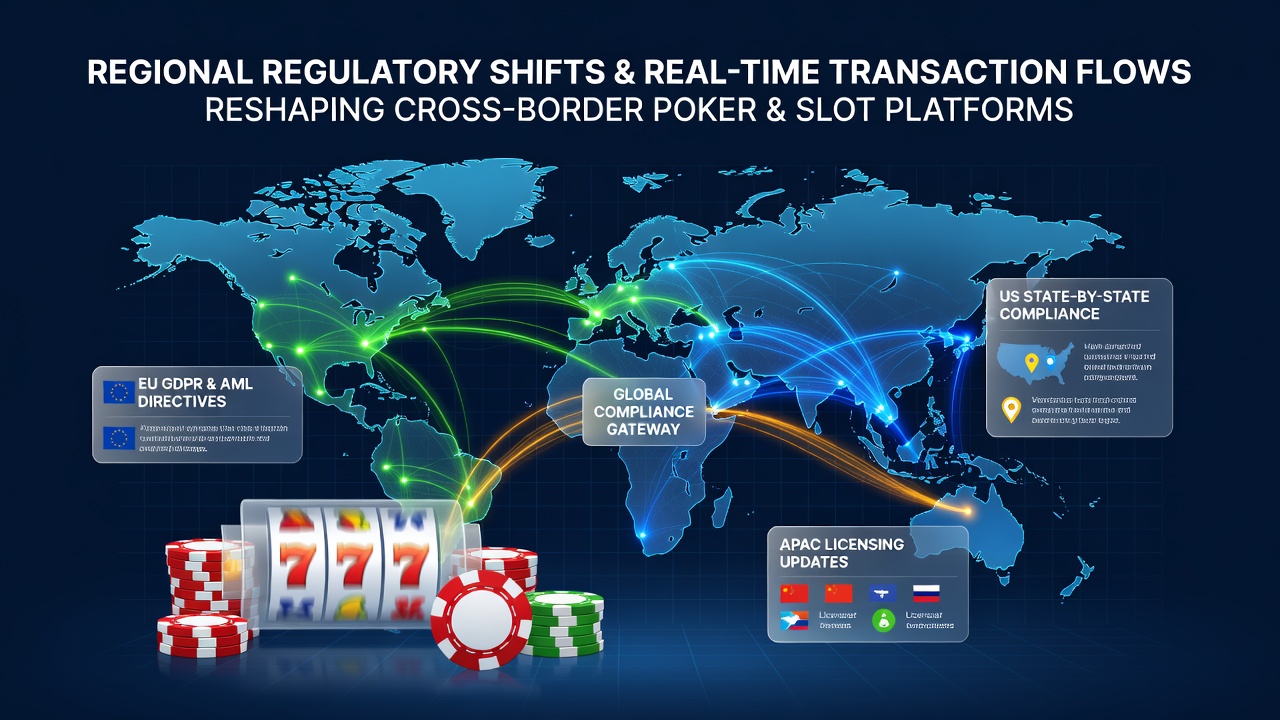
Regional regulatory shifts have begun to alter how real-time transaction flows operate across cross-border poker and slot platforms, particularly as jurisdictions update compliance requirements around payment processing, anti-money laundering checks, and cross-border data sharing in 2026.
European and Asian Policy Adjustments
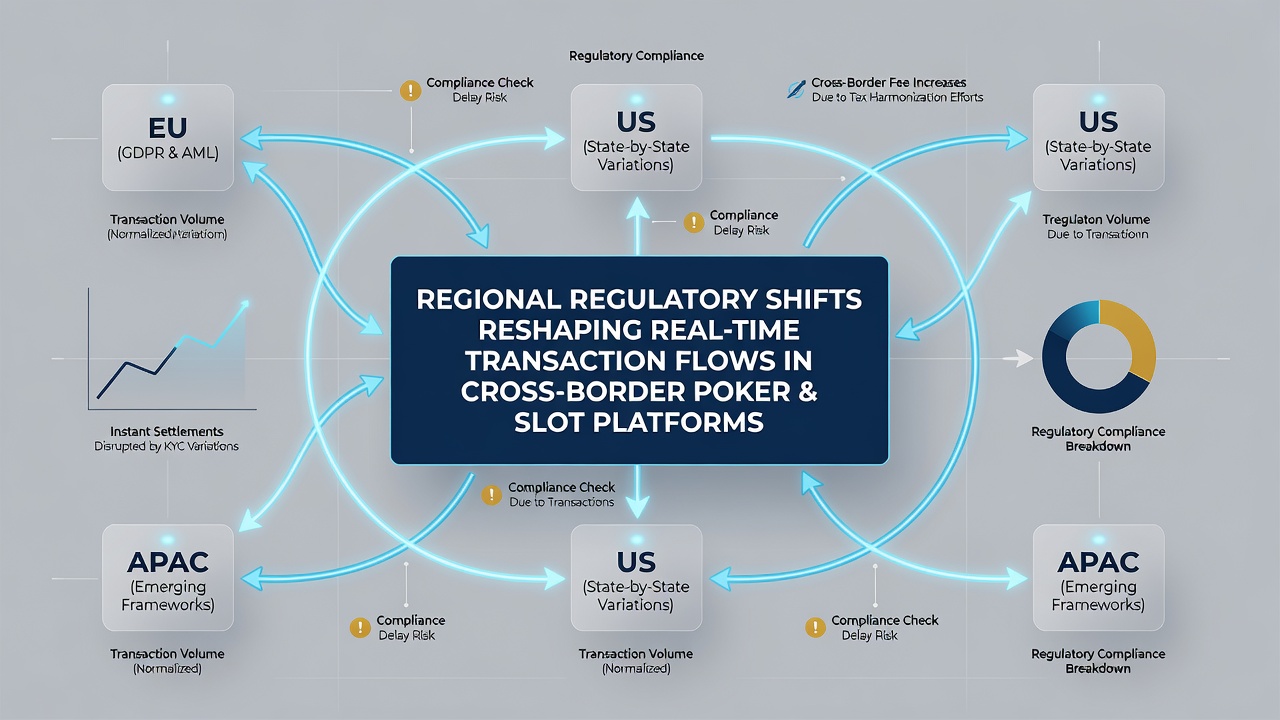
Authorities in several European markets have introduced tighter rules on instant payment verification while Asian regulators have focused on licensing requirements that directly affect withdrawal speeds for international players. These changes force platforms to reroute transactions through approved local gateways, which in turn extends settlement times for poker tournaments and slot jackpots that span multiple countries. Data from industry reports indicates that platforms must now segment user flows based on residency status, creating separate rails for deposits that comply with each region's updated standards.
North American and Australian Developments
North American states continue to refine their approaches to real-time gaming payments, and Australian oversight bodies have expanded reporting mandates that touch on cross-border slot activity. Observers note that operators now integrate dynamic compliance layers into their transaction engines so that a single deposit request can trigger jurisdiction-specific checks without halting the flow. Figures from the Nevada Gaming Control Board show increased scrutiny on how platforms handle funds moving between US-licensed poker networks and offshore slot providers, prompting many companies to adopt unified APIs that flag potential violations in milliseconds.
Platforms have responded by partnering with regional payment processors that already meet the new licensing thresholds, allowing seamless real-time transfers while maintaining audit trails required by multiple regulators simultaneously. This approach reduces friction for users yet demands constant updates to backend systems as rules evolve.
Technical Adaptations in Transaction Infrastructure
Technical teams at major operators have rebuilt their transaction pipelines to accommodate varying settlement windows, incorporating conditional logic that pauses or reroutes funds when a player's location conflicts with the platform's current licenses. Research from academic studies on digital gaming payments highlights how these modifications preserve real-time user experiences even as compliance overhead grows. One documented case involved a global poker network that deployed geofenced ledgers, ensuring that slot bonus releases triggered only after cross-checking against the latest regulatory lists from each participating jurisdiction.
Market Data and Platform Responses
Market data compiled in August 2026 reveals that cross-border transaction volumes for poker and slots have remained stable despite the regulatory layering, largely because platforms invested early in modular payment architectures. Those architectures let companies toggle specific compliance modules on or off depending on the user's origin, which keeps approval rates high while satisfying local authorities. Industry organizations such as the European Gaming and Betting Association have published guidance encouraging standardized data formats that simplify these real-time checks across borders.
Additional adjustments include enhanced encryption for transaction metadata and expanded use of instant verification services that draw from both government databases and private credit bureaus. Platforms operating in multiple regions now maintain parallel transaction queues so that a poker buy-in from one country processes independently of a slot withdrawal headed to another.
Conclusion
Regional regulatory shifts continue to influence the structure of real-time transaction flows in cross-border poker and slot platforms, driving investment in adaptable infrastructure and localized partnerships. As jurisdictions refine their requirements through 2026, operators that maintain flexible systems appear positioned to sustain seamless payment experiences while meeting evolving compliance demands. Further updates from regulatory bodies and industry groups will likely shape the next phase of these adaptations.