Tracing Security Advances in Digital Betting Transactions
Jonas Jenkins · May 19, 2026
Tracing Security Advances in Digital Betting Transactions
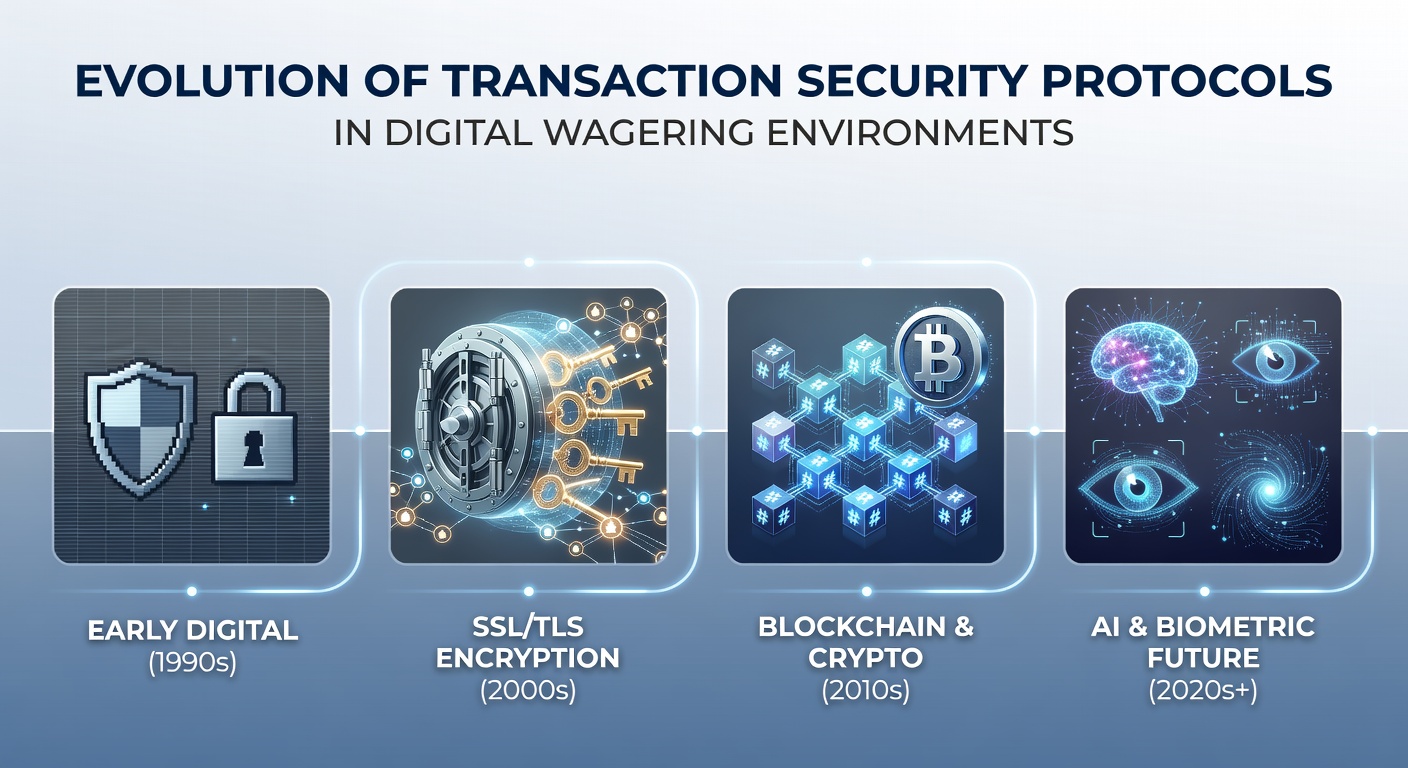
Digital wagering environments began with rudimentary security measures that relied on simple password systems and basic server protections during the mid-1990s when online platforms first emerged, yet these setups quickly proved insufficient as transaction volumes grew and fraud attempts increased across expanding networks.
Initial Protocols and Early Vulnerabilities
Operators implemented SSL encryption in the late 1990s to protect data in transit between users and servers, while basic firewalls and access logs formed the core defense layers, and researchers documented how these steps reduced some interception risks but left stored payment details exposed on centralized databases. Payment card industry standards gained traction after 2004 when PCI DSS guidelines required tokenization and regular audits, which forced platforms to segment sensitive information and limit retention periods, although many smaller operators struggled with compliance costs during those initial rollout years.
Regulatory Influences and Layered Defenses
Government agencies in various regions introduced stricter oversight that accelerated protocol upgrades, for instance the Nevada Gaming Control Board mandated multi-factor authentication for high-value transfers by 2012, and similar requirements appeared in Australian frameworks through AUSTRAC reporting rules that tied transaction monitoring to anti-money laundering checks. Platforms adopted dynamic CVV verification alongside IP geolocation filters to flag unusual patterns, while data shows these combined measures cut unauthorized access incidents by notable margins according to aggregated industry statistics from that period.
Modern Encryption and Emerging Technologies
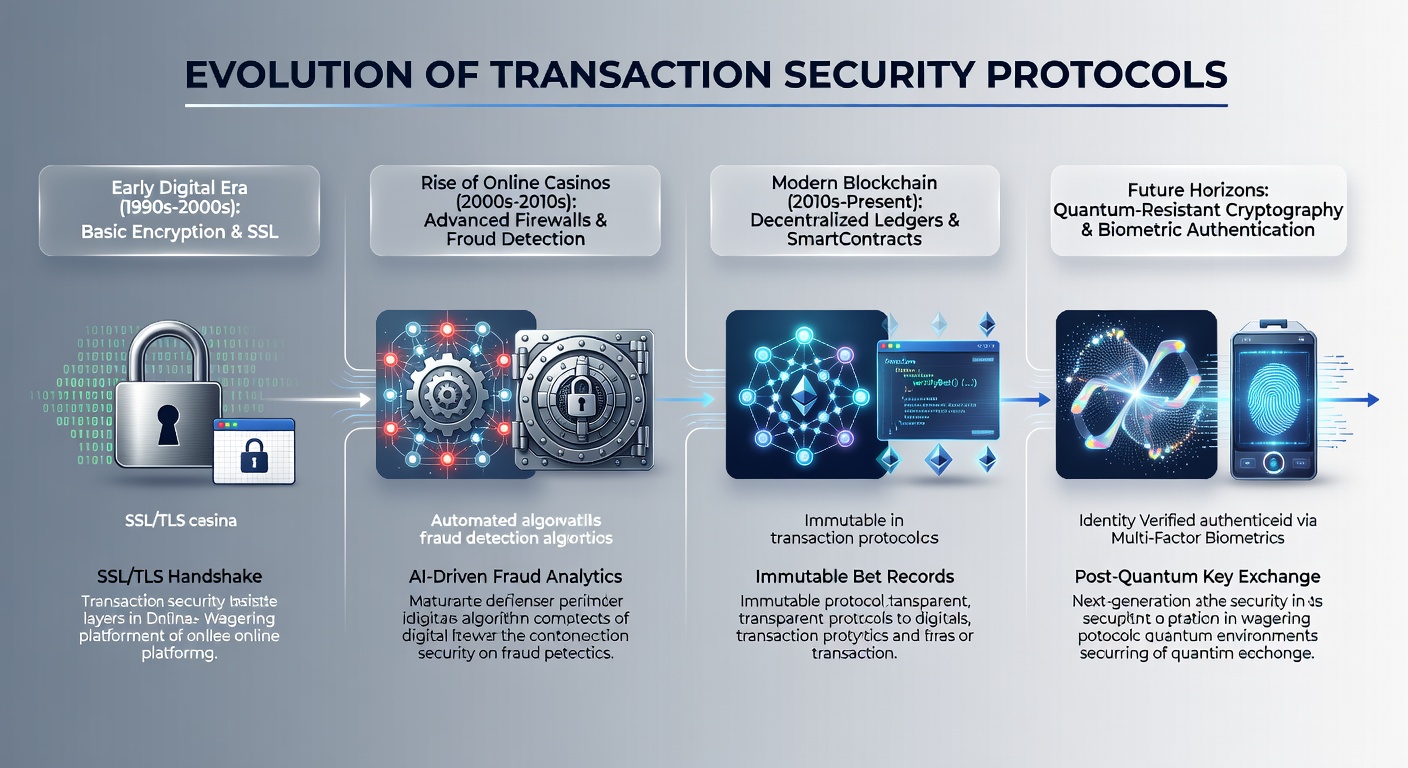
Advanced TLS versions replaced older encryption standards around 2015 as quantum-resistant algorithms entered testing phases, and operators integrated behavioral analytics engines that monitor keystroke rhythms plus device fingerprints to detect anomalies in real time. Blockchain-based ledgers appeared in select wagering systems by 2018 to create immutable audit trails for cryptocurrency deposits, and one study from the University of Nevada Las Vegas examined how distributed verification reduced dispute rates in peer-to-peer betting scenarios. Biometric options such as facial recognition and fingerprint scanning became standard on mobile applications during 2020, allowing seamless yet secure logins that replaced lengthy password sequences.
Current Practices in May 2026
By May 2026 many leading platforms combine AI-driven risk scoring with zero-knowledge proof techniques that verify transaction legitimacy without exposing underlying details, while regulatory bodies across North America and Europe continue to refine reporting thresholds for suspicious activity. Payment service directives in the European Union have encouraged token-based processing that keeps card numbers off merchant servers entirely, and North American state regulators have followed with comparable mandates that emphasize continuous monitoring over static checks. Observers note that these layered approaches now handle millions of daily transactions with minimal downtime, although integration challenges persist when legacy systems must communicate with newer decentralized networks.
Future Directions and Ongoing Refinements
Developments in post-quantum cryptography continue to influence protocol roadmaps as testing expands beyond laboratory settings, and industry associations have begun sharing threat intelligence databases to speed collective responses to emerging attack vectors. Platforms that adopt these evolving standards demonstrate measurable improvements in user trust metrics according to transaction success and retention figures released in recent reports, while smaller operators explore cloud-based security services to bridge resource gaps. Those who have examined the full timeline recognize that security in digital wagering has shifted from reactive patches toward proactive architectures built around continuous verification and adaptive controls.
Conclusion
The progression of transaction security protocols reflects a steady response to technological shifts and regulatory demands that have reshaped how digital wagering environments protect user funds and data, and ongoing innovations suggest further refinements will arrive as computational threats evolve alongside platform capabilities.